
The mail service contest
The Florios of SicilyThis flow traces the Florios’ rise through maritime mail contracts and the later dispute over obligations disrupted by revolution and war.
increasing Bearing strength in each event
 decreasing
Bearing strength in each eventdecreasingAn exclusive opportunity

An exclusive opportunity
A strategic contract
Giuseppe Lanza di Trabia tells Vincenzo Florio that Sicily may need a reliable postal service by sea. The contract could keep revenue and communications in Sicilian hands rather than transferring them to Neapolitan companies.
Power through service
Vincenzo recognizes that the opportunity offers more than payment: it would establish a direct relationship with the Crown and strengthen the company’s influence.
The proposed monopoly grows from a practical service into a political and commercial prize.
A company takes shape

A company takes shape
Investment secured
Vincenzo Florio gathers partners to establish the Sicilian Steamship Company. A formal agreement converts his shipping ambitions into an institution with a shared financial stake.
Reliability expected
The new company promises regular sea connections, including mail service. Its success depends on ships that can operate reliably in a period of political change.
The venture makes the Florios more visible as public service providers, but it also binds them to obligations that conflict can disrupt.
A contract under strain
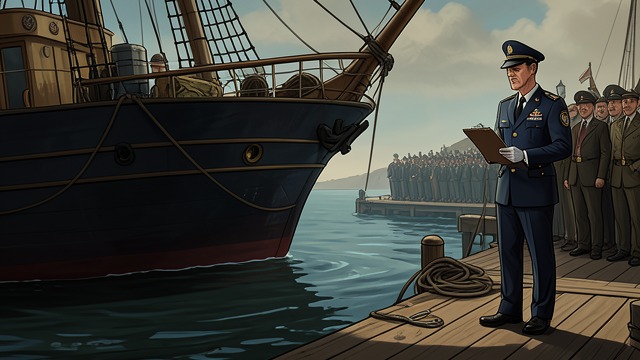
A contract under strain
Ships requisitioned
During political upheaval, the Bourbons and later revolutionary authorities commandeer the Florios’ steamers. One vessel is lost, and the company cannot maintain all its scheduled services.
The penalty dispute
After unification, officials seek fines for interrupted mail service, even though ships were requisitioned and documents were delayed. Vincenzo argues that the new government is demanding payment for failures beyond his control.
The dispute sharpens his hostility toward government authority and demonstrates how a public contract can turn a private investment into political leverage and liability.
By 1854
Mid-1850s
1860 to 1862
